
Introduction
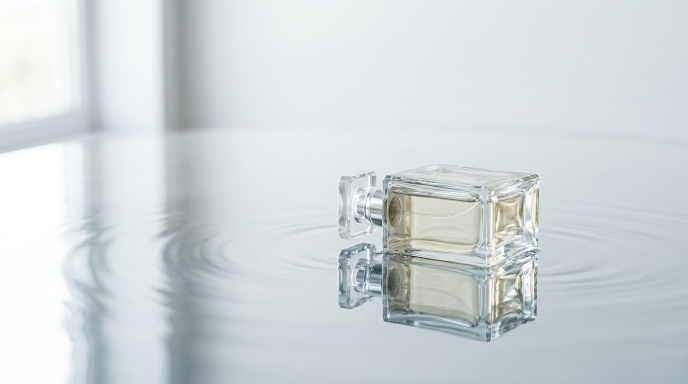
In the fragrance industry, the perfume bottle is more than just packaging — it is part of the brand experience. A well-designed bottle can instantly communicate luxury, elegance, creativity, or minimalism, helping your product stand out on crowded shelves. The right perfume bottle not only protects the fragrance inside but also influences customer perception and purchasing decisions. In this guide, we’ ll explore how to choose the right perfume bottle for your brand, from bottle shape and material to decorative finishes and packaging strategy.
1. Understand Your Brand Identity
Before choosing a perfume bottle, it is important to clearly understand your brand identity. Your bottle design should reflect your brand personality and create a consistent visual experience for customers.
Define Your Brand Style
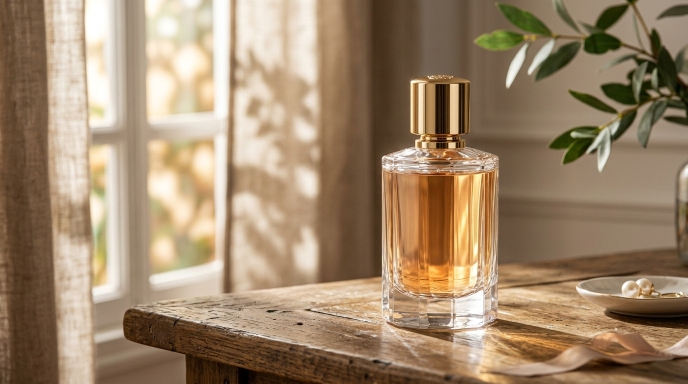
Different perfume brands use different bottle styles to express their image and positioning. For example, luxury perfume brands often prefer thick glass bottles with elegant details and premium decorative finishes, while minimalist brands usually choose clean lines and simple shapes.
If your brand focuses on youthful or trendy fragrances, colorful bottles and creative shapes may attract younger consumers. On the other hand, natural or eco-friendly brands often use recyclable glass, earthy colors, and simple packaging designs to highlight sustainability.
Choosing a bottle that matches your brand style helps customers immediately understand the type of fragrance and experience your brand offers.
Match the Bottle to Your Target Audience
Your target audience also plays an important role in perfume bottle selection. Bottle designs for women’ s perfumes often feature softer curves, lighter colors, and decorative details, while men’ s fragrances commonly use darker tones, geometric shapes, and bold structures.
For unisex perfumes, many brands prefer neutral bottle designs with minimalist aesthetics and clean typography. In addition, premium consumers may expect heavier bottles and more sophisticated decoration techniques, while affordable fragrance lines usually focus on practicality and cost efficiency.
Understanding your audience can help you create packaging that feels attractive and relevant to your customers.
Align Bottle Design with the Fragrance Story
A perfume bottle should visually represent the fragrance inside. Fresh and clean scents are often paired with transparent or light-colored bottles, while romantic floral perfumes may use elegant curves and soft finishes.
For bold, woody, or oriental fragrances, darker glass colors and heavier bottle designs can create a stronger visual impact. When the bottle design matches the scent profile, it creates a more memorable and immersive customer experience.
2. Choose the Right Bottle Shape
The shape of a perfume bottle has a major influence on brand image, functionality, and shelf appeal. A carefully selected bottle shape can help your fragrance stand out and strengthen your overall packaging design.
Common Perfume Bottle Shapes
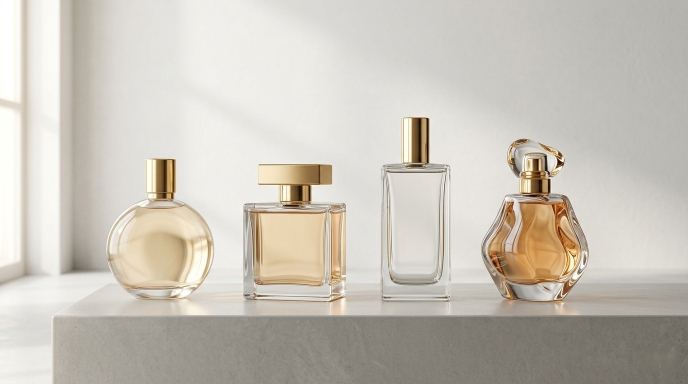
Perfume bottles come in many different shapes, each creating a unique visual impression.
- Round bottles often create a soft, elegant, and timeless feeling.
- Square bottles usually appear modern, professional, and structured.
- Rectangular bottles are popular for minimalist and luxury perfume brands because of their clean appearance.
- Custom-shaped bottles help brands create a more distinctive identity and increase product recognition.
Many niche perfume brands choose custom bottle designs to make their packaging more memorable and unique in the market.
How Shape Impacts Brand Perception
Bottle shape can strongly affect how customers perceive your brand. Sharp edges and geometric lines often communicate masculinity, sophistication, and modern luxury. Curved silhouettes usually feel softer, romantic, and feminine.
Minimalist bottle shapes are especially popular in the premium fragrance market because they create a clean and high-end appearance. In contrast, artistic or unusual bottle designs can help brands attract younger consumers looking for creativity and individuality.
The bottle shape should support your overall brand positioning rather than compete with it.
Practical Considerations
Besides aesthetics, practicality is also important when selecting a bottle shape. Perfume bottles should be stable, easy to hold, and suitable for shipping and retail display.
Complex bottle structures may increase production costs and packaging difficulty. Simple shapes are often easier to pack, transport, and store safely during shipping. If your brand plans to sell internationally, durability and transportation efficiency should also be considered during the design process.
Balancing appearance and functionality is key to choosing the right perfume bottle shape.
3. Select the Best Bottle Material
The material of a perfume bottle affects not only its appearance but also fragrance preservation, customer perception, and sustainability. Glass remains the most popular material choice for perfume packaging because of its premium look and reliable performance.
Why Glass Is the Preferred Choice
Glass perfume bottles are widely used in the fragrance industry because they provide a luxurious appearance and excellent compatibility with perfume formulas. Unlike some plastic materials, glass does not easily react with fragrance ingredients, helping maintain scent quality over time.
Glass also offers better transparency, allowing brands to showcase the color and clarity of the perfume. In addition, glass packaging is recyclable, making it a preferred option for brands focusing on sustainable packaging solutions.
Because of these advantages, glass bottles are commonly associated with premium and high-quality fragrances.
Types of Glass Finishes
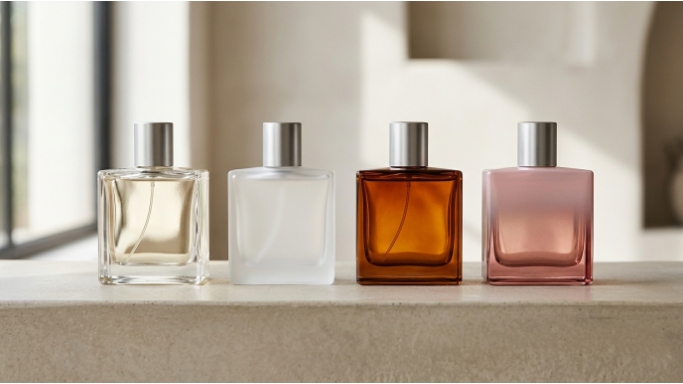
Different glass finishes can create completely different visual effects and brand styles.
- Clear glass bottles create a clean and modern appearance.
- Frosted glass offers a soft, elegant, and luxurious texture.
- Colored glass bottles help strengthen brand identity and create stronger shelf visibility.
- Gradient or ombre finishes are increasingly popular for modern and artistic fragrance packaging.
The right finish can enhance the overall presentation of the perfume and improve customer perception of the product.
Thickness and Weight
Bottle thickness and weight also influence how customers perceive the fragrance brand. Heavy glass bottles often create a more premium and luxurious feeling, especially in high-end perfume collections.
Lighter bottles may reduce shipping costs and are commonly used for travel-size perfumes or affordable fragrance lines. When choosing bottle weight, brands should balance aesthetics, budget, transportation costs, and target market positioning.
A well-balanced bottle design can improve both product appearance and user experience.
4. Pick the Right Bottle Size
Choosing the right perfume bottle size is important for both branding and market strategy. Different bottle sizes serve different customer needs, price points, and sales channels.
Standard Perfume Bottle Sizes
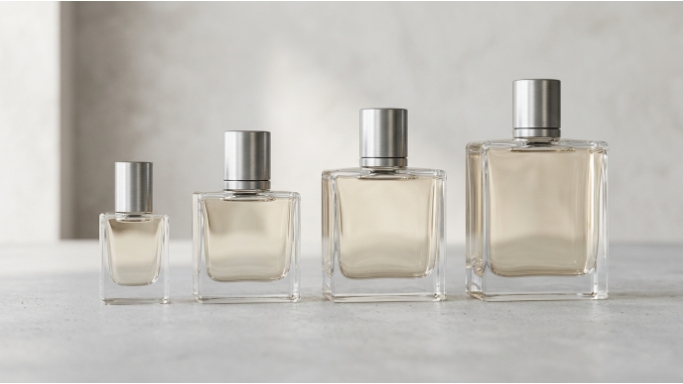
Perfume brands commonly offer fragrances in several standard sizes, including 10ml, 30ml, 50ml, and 100ml bottles.
Small bottles such as 10ml are popular for travel-size perfumes, samples, and gift sets. Mid-size options like 30ml and 50ml are ideal for daily use and are widely accepted in the retail market. Larger 100ml bottles are often preferred for premium fragrances and loyal customers who use the scent regularly.
Offering multiple size options can help brands reach a wider customer base and improve sales opportunities.
Choosing Sizes Based on Market Strategy
Bottle size should match your product positioning and customer preferences. Travel-size perfumes are convenient for consumers who want portability and affordability, while larger bottles are often associated with better value and luxury positioning.
Gift sets may include several smaller perfume bottles, allowing customers to try different scents. Some niche fragrance brands also launch limited-edition collector bottles in unique sizes to create exclusivity and strengthen brand identity.
Understanding how customers use your product can help determine the most suitable bottle sizes for your fragrance line.
MOQ and Production Cost Considerations
Bottle size can also affect production costs and minimum order quantities. Standard bottle sizes are usually easier and more affordable to source because many manufacturers already have existing molds available.
Custom bottle sizes often require new mold development, which increases tooling costs and production time. For startups or small perfume brands, using standard bottle sizes can reduce investment risk while still maintaining a professional appearance.
Balancing creativity, budget, and production efficiency is essential when selecting perfume bottle sizes.
5. Customize Decorative Finishes
Decorative finishes play a major role in making perfume bottles visually attractive and recognizable. The right decoration techniques can instantly increase the perceived value of your fragrance packaging.
Popular Decoration Techniques
There are many decoration options available for perfume bottles, depending on the desired visual effect and brand positioning.
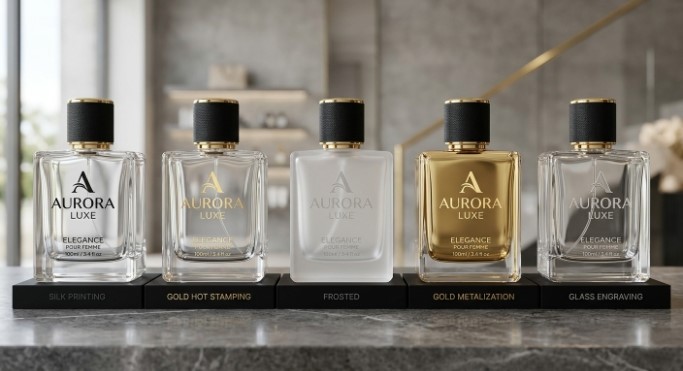
Some of the most common techniques include:
- Screen printing for logos and text
- Hot stamping for metallic gold or silver effects
- Frosting for a soft matte appearance
- UV coating for glossy finishes
- Metallization for reflective metallic surfaces
- Engraving for premium textured details
Many luxury perfume brands combine multiple decoration techniques to create a more sophisticated and high-end packaging design.
How Decoration Enhances Brand Value
Decorative finishes can significantly influence customer perception. Premium decorations make perfume bottles appear more luxurious, elegant, and visually distinctive.
Well-designed packaging also helps products stand out on retail shelves and improves brand recognition. Customers often associate detailed decoration and refined finishes with higher product quality.
In the fragrance industry, attractive packaging can be just as important as the perfume itself when influencing purchasing decisions.
Combining Multiple Finishes
Many perfume brands combine different decorative techniques to create a unique visual identity. For example, frosted glass paired with gold hot stamping creates a luxurious and elegant look, while gradient coating combined with silk screen printing offers a more modern and artistic appearance.
However, it is important not to over-design the bottle. Too many decorative elements may make the packaging look cluttered or inconsistent with the brand image. A balanced and cohesive design usually creates a stronger premium impression.
6. Don‘ t Ignore the Perfume Cap and Pump
While the bottle itself receives most of the attention, the perfume cap and spray pump are equally important parts of the packaging design. These components affect both appearance and user experience.
Cap Materials
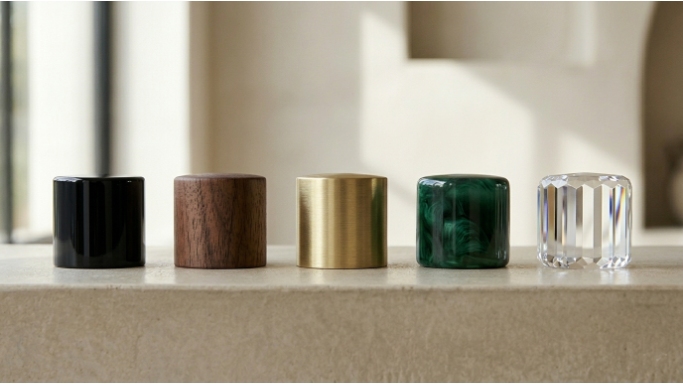
Perfume caps are available in a variety of materials, including plastic, wood, metal, resin, and magnetic components.
Plastic caps are cost-effective and suitable for mass-market fragrances, while metal and magnetic caps are often used in luxury perfume packaging because they provide a heavier and more premium feel. Wooden caps are also becoming increasingly popular among eco-friendly and natural fragrance brands.
The cap material should match the overall bottle design and brand positioning.
Spray Pump Quality Matters
A high-quality spray pump improves the customer experience by delivering a fine and even mist. Poor-quality pumps may leak, clog, or create uneven spraying, which can negatively affect customer satisfaction.
Reliable spray pumps also help preserve the fragrance and reduce product waste. For this reason, many premium perfume brands invest in better atomizer systems and conduct extensive testing before mass production.
Even a beautifully designed bottle can lose value if the spray performance feels cheap or unreliable.
Matching Cap Design with Bottle Style
The cap should visually complement the perfume bottle rather than appear disconnected from the overall design.
Luxury perfume brands often use heavier caps with metallic finishes to create a more sophisticated appearance, while minimalist brands may prefer simple geometric cap designs with clean surfaces.
A well-matched cap and bottle combination creates a more complete and professional packaging presentation.
7. Consider Sustainability and Eco-Friendly Packaging
Sustainability has become an important trend in the fragrance industry. More consumers are paying attention to environmentally friendly packaging when choosing beauty and personal care products.
Growing Demand for Sustainable Packaging
Modern consumers increasingly prefer brands that demonstrate environmental responsibility. As a result, many perfume brands are reducing unnecessary packaging and adopting more sustainable materials.
Eco-friendly packaging not only supports environmental goals but also helps brands build a more positive and modern image in the market.
Sustainability is especially important for younger consumers who value responsible purchasing decisions.
Sustainable Options
There are several ways perfume brands can create more sustainable packaging solutions.
Popular options include:
- Recyclable glass perfume bottles
- Refillable perfume packaging systems
- FSC-certified paper packaging
- Reduced plastic usage
- Lightweight packaging designs to lower shipping emissions
Many luxury fragrance brands are also introducing refill programs to reduce packaging waste and encourage long-term customer loyalty.
Minimalist Packaging Trends
Minimalist packaging has become closely connected with modern sustainable design. Clean bottle shapes, simple labels, and reduced decorative elements can create a premium appearance while using fewer materials.
Many contemporary perfume brands now focus on “less is more” packaging strategies that combine elegance with sustainability. This approach not only reduces waste but also creates a more timeless and sophisticated brand image.
As sustainability continues to influence consumer behavior, eco-friendly perfume packaging is likely to become even more important in the future.
8. Decide Between Stock Bottles and Custom Bottles
One of the biggest decisions perfume brands face is whether to choose stock perfume bottles or invest in custom bottle designs. Both options have advantages depending on your budget, branding goals, and production scale.
Stock Perfume Bottles
Stock perfume bottles are pre-designed bottles that manufacturers already have available. These bottles are widely used because they offer faster production times and lower development costs.
Since existing molds are already available, brands can avoid expensive tooling fees and reduce minimum order quantities. This makes stock bottles an ideal choice for startups, small businesses, seasonal products, or brands testing new fragrance collections.
In addition, stock bottles usually have shorter lead times, allowing brands to launch products more quickly.
Custom Perfume Bottles
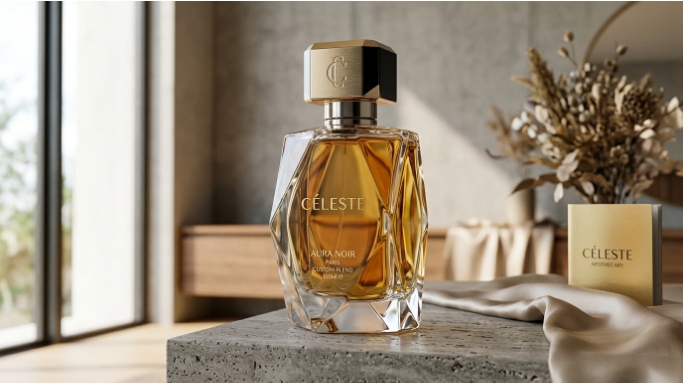
Custom perfume bottles are designed specifically for a brand’s unique identity. This option allows businesses to create exclusive shapes, sizes, colors, and decorative elements that help differentiate their products in the market.
Luxury and niche perfume brands often invest in custom bottles to strengthen brand recognition and create a more memorable customer experience. A distinctive bottle design can become an important part of the brand itself.
However, custom bottle development usually requires higher tooling costs, larger MOQs, and longer production timelines. The design and sampling process may also take several months depending on complexity.
Which Option Is Best for Your Business?
The right choice depends on your business goals and budget. For startups and smaller fragrance brands, stock bottles are often the most practical solution because they reduce financial risk and simplify production.
For established brands looking to build a strong premium identity, custom perfume bottles can provide greater uniqueness and long-term brand value.
Many perfume companies also combine both strategies by starting with stock bottles and later developing custom packaging as the brand grows.
9. Work with a Reliable Perfume Bottle Manufacturer
Choosing the right perfume bottle manufacturer is just as important as selecting the bottle design itself. A reliable supplier can help ensure product quality, stable production, and smooth communication throughout the development process.
What to Look for in a Supplier
When selecting a perfume bottle manufacturer, it is important to evaluate their experience, production capabilities, and quality control standards.
Experienced manufacturers usually offer better technical support, more decoration options, and stronger production consistency. You should also consider whether the supplier has experience exporting to international markets and handling custom packaging projects.
Other important factors include:
- Decoration capabilities
- Mold development experience
- Packaging solutions
- Production capacity
- Quality inspection systems
- Shipping and logistics support
Working with an experienced manufacturer can reduce production problems and improve overall packaging quality.
Questions to Ask Before Ordering
Before placing an order, brands should ask detailed questions about the supplier’s production process and service capabilities.
Some important questions include:
- What is the MOQ for the bottle design?
- How long is the production lead time?
- Can samples be provided before mass production?
- What decoration options are available?
- How is product quality inspected?
- What packaging methods are used for shipping?
Clear communication during the early stages can help avoid misunderstandings and production delays later.
Importance of Sampling and Testing
Sampling and testing are essential before mass production begins. Perfume bottles should be tested for leakage, spray performance, decoration durability, and compatibility with fragrance formulas.
Testing helps identify potential issues early and ensures the final product meets quality expectations. Luxury perfume brands especially place strong emphasis on packaging consistency and performance because packaging quality directly affects customer perception.
Investing time in proper testing can help brands avoid costly problems after product launch.
Conclusion
Choosing the right perfume bottle is about much more than appearance alone. The ideal bottle should reflect your brand identity, match your target audience, protect the fragrance, and create a memorable customer experience.
From bottle shape and material to decorative finishes, cap design, sustainability, and manufacturer selection, every packaging detail plays a role in how customers perceive your fragrance brand.
Whether you choose a standard stock bottle or invest in a fully custom design, the key is creating packaging that aligns with your brand story and market positioning. In today’ s competitive fragrance industry, thoughtful perfume bottle design can help your product stand out and leave a lasting impression on consumers.
FAQ
What is the best material for perfume bottles?
Glass is considered the best material for perfume bottles because it offers a premium appearance, excellent fragrance compatibility, and strong recyclability. It also helps preserve fragrance quality over time.
What bottle shape works best for luxury perfumes?
Luxury perfume brands often use thick glass bottles with clean lines, heavy bases, and elegant decorative finishes to create a premium and sophisticated appearance.
Should I choose stock or custom perfume bottles?
Stock bottles are ideal for startups and small MOQ projects because they reduce cost and production time. Custom bottles are better for brands that want unique packaging and stronger market differentiation.
What decoration techniques are popular for perfume bottles?
Popular decoration techniques include frosting, screen printing, hot stamping, metallization, engraving, and UV coating. Many brands combine multiple finishes to create a more premium look.
How do I choose the right perfume bottle size?
The right bottle size depends on your target market and product strategy. Smaller bottles work well for travel and sampling, while larger bottles are commonly used for retail and luxury fragrance collections.
Are refillable perfume bottles becoming more popular?
Yes. Many brands are introducing refillable perfume packaging as sustainability becomes more important to consumers. Refillable systems help reduce packaging waste and support eco-friendly branding.
What factors should I consider when choosing a perfume bottle manufacturer?
Important factors include manufacturing experience, decoration capabilities, quality control, MOQ requirements, lead time, sampling support, and export experience. A reliable supplier can help ensure stable product quality and smoother production.