
Introduction
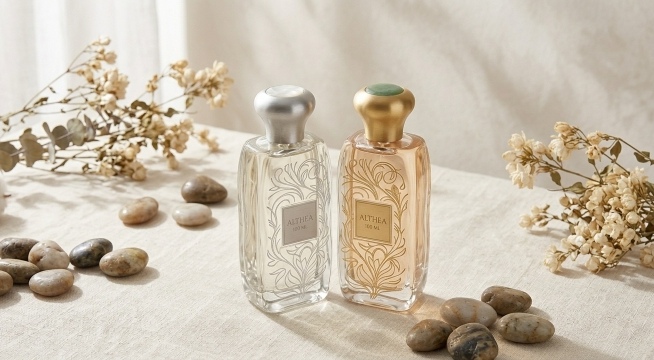
Custom perfume bottles play an important role in fragrance branding, helping products stand out through unique shapes, premium finishes, and luxury packaging details. From initial design and mold development to glass forming, decoration, and final assembly, each production stage affects the quality and appearance of the finished bottle. In this guide, we’ll walk through the complete custom perfume bottle manufacturing process and explain how perfume bottles are created from concept to final packaging.
Step 1 – Perfume Bottle Concept & Design
Every custom perfume bottle project begins with a design concept. At this stage, brands work with a perfume bottle manufacturer to transform ideas into a functional and visually appealing bottle design.
Some clients already have detailed sketches or technical drawings, while others only provide inspiration images, fragrance positioning, or branding concepts. Based on these requirements, the design team develops the overall bottle structure, proportions, decoration details, and cap style.
Several important factors are usually considered during the design stage, including:
- Bottle shape
- Bottle capacity
- Glass thickness
- Spray pump compatibility
- Decoration techniques
- Brand positioning
- Packaging style
Luxury perfume brands often prefer heavy-bottom glass bottles for a premium appearance, while minimalist brands may choose clean rectangular or cylindrical shapes. Some brands also request completely custom-shaped perfume bottles to create stronger product recognition in the market.
Bottle capacity is another important consideration. Common perfume bottle sizes include 30ml, 50ml, and 100ml, although travel-size and oversized custom bottles are also popular in certain markets.
During the development process, manufacturers typically create 3D renderings or digital mockups to help clients visualize the final product before production begins. This stage allows adjustments to bottle curves, proportions, neck finishes, and decorative details before mold development starts.
In addition to the bottle itself, brands also select matching accessories such as:
- Magnetic caps
- Wooden caps
- Acrylic caps
- Aluminum collars
- Custom spray pumps
A well-planned design not only improves aesthetics but also helps ensure manufacturing efficiency, filling compatibility, and long-term product consistency.
Step 2 – Mold Development
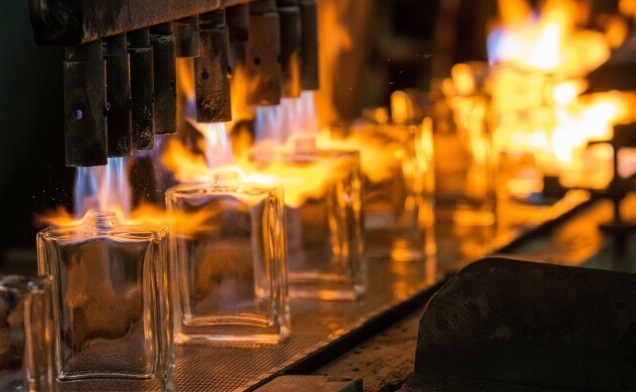
Once the perfume bottle design is finalized, the next step is mold development. The mold is one of the most critical parts of the entire perfume bottle manufacturing process because it directly determines the bottle’s final shape, dimensions, and surface precision.
Custom perfume bottle molds are usually made from high-strength metal materials designed to withstand extremely high temperatures during glass production. Depending on the bottle complexity, a project may require multiple mold components for different forming stages.
The mold development process typically includes:
- Technical drawing confirmation
- Mold structure engineering
- CNC machining
- Mold polishing
- Trial testing
Simple bottle shapes generally require less development time, while highly customized or irregular designs may involve more complex mold engineering and longer production cycles.
Several factors can affect mold costs, including:
- Bottle shape complexity
- Bottle size
- Glass weight
- Surface texture details
- Special neck finishes
- Custom logo embossing
For brands with lower startup budgets, many manufacturers also offer existing stock molds. Using a stock mold can significantly reduce mold costs and shorten lead times while still allowing customization through decoration, coating, printing, and cap selection.
Completely custom molds, however, provide greater flexibility for building a unique fragrance brand identity. This option is commonly chosen by luxury perfume brands, niche fragrance companies, and private label projects seeking exclusive packaging designs.
After the mold is completed, manufacturers usually produce initial glass samples for approval. These samples allow clients to evaluate the bottle’s appearance, dimensions, weight, spray compatibility, and decoration effects before moving into mass production.
Step 3 – Glass Material Preparation
After mold development is completed, the next stage is preparing the raw glass materials used for perfume bottle production. The quality of the glass directly affects the bottle’s clarity, durability, weight, and overall luxury appearance.
Most premium perfume bottles are made from high-flint glass, which is known for its excellent transparency and smooth surface finish. This type of glass helps create the crystal-clear appearance commonly associated with luxury fragrance packaging.
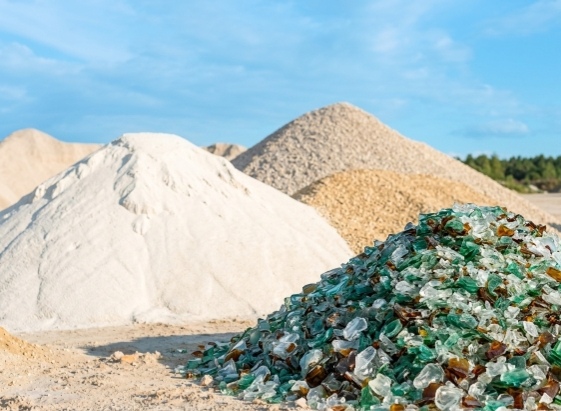
The main raw materials used in perfume bottle manufacturing typically include:
- Silica sand
- Soda ash
- Limestone
- Recycled glass materials
These materials are carefully measured and mixed before being heated inside high-temperature furnaces. During the melting process, the raw materials transform into molten glass, reaching temperatures of over 1,400°C.
Glass quality control is especially important at this stage because impurities or inconsistent material composition can affect the final bottle appearance. Manufacturers carefully monitor the melting process to ensure stable color consistency, transparency, and structural strength.
Some perfume brands also choose customized glass colors during production, such as:
- Black glass perfume bottles
- Amber perfume bottles
- Pink perfume bottles
- Gradient glass bottles
- Frosted glass finishes
In recent years, sustainable packaging has also become increasingly popular in the fragrance industry. Many perfume bottle manufacturers now offer recycled glass options to help brands reduce environmental impact while maintaining a premium appearance.
The glass preparation stage creates the foundation for the entire manufacturing process and plays a major role in determining the final quality of the perfume bottle.
Step 4 – Glass Bottle Forming Process
Once the molten glass reaches the proper temperature and consistency, it moves into the bottle forming stage. This is where the perfume bottle begins to take its final shape.
Modern perfume bottle manufacturers commonly use advanced IS (Individual Section) machines to produce glass bottles with high precision and consistency. These automated systems help ensure accurate dimensions, stable production quality, and efficient mass manufacturing.
The bottle forming process generally involves several stages.
Molten Glass Distribution
First, the molten glass is cut into precisely measured portions called “gobs.” Each gob contains the exact amount of glass needed for one bottle.
The glass gobs are then transferred into the mold sections while still at extremely high temperatures.
Bottle Shaping Process
Inside the mold, compressed air is used to shape the molten glass into the desired bottle design. Depending on the bottle structure and production requirements, manufacturers may use:
- Blow-and-blow process
- Press-and-blow process
- Narrow-neck press-and-blow technology
These forming methods help achieve different bottle shapes, wall thicknesses, and structural details.
At this stage, the bottle’s main features are formed, including:
- Bottle body
- Neck finish
- Base thickness
- Shoulder curves
- Logo embossing details
For luxury perfume bottles, precise forming is especially important because even small imperfections can affect the premium appearance of the final product.
Annealing Process
After shaping, the hot glass bottles move through an annealing furnace called a “lehr.” During this process, the bottles are cooled gradually under controlled temperatures.
Annealing helps remove internal stress within the glass and significantly improves durability and stability. Without proper annealing, perfume bottles may crack more easily during transportation, filling, or long-term use.
Once the cooling process is complete, the bottles are ready for surface inspection and decoration.
Step 5 – Surface Decoration & Finishing
Surface decoration is one of the most important stages in custom perfume bottle manufacturing because it gives the bottle its final visual identity. Decorative finishes help perfume brands create unique packaging styles that reflect luxury, elegance, minimalism, or artistic creativity.
Depending on the project requirements, manufacturers can apply various decoration techniques to customize the bottle appearance.
Frosted Perfume Bottles
Frosting creates a soft matte texture on the glass surface, giving the bottle a sophisticated and premium look. Frosted perfume bottles are widely used in luxury fragrance packaging because they provide a refined and modern appearance.
Screen Printing
Screen printing allows logos, product names, and decorative graphics to be printed directly onto the glass surface. This method offers strong durability and excellent color consistency for long-term branding.
Hot Stamping
Hot stamping is commonly used for metallic gold or silver logo effects. It adds a high-end luxury appearance and is frequently seen on premium perfume packaging.
UV Coating
UV coating creates glossy, matte, or textured surface effects while also helping improve scratch resistance and visual depth.
Color Spraying
Color coating and spray painting allow manufacturers to create fully customized bottle colors, including solid black finishes, translucent tones, gradient effects, and soft matte coatings.
Electroplating
Electroplating gives perfume bottles a reflective metallic appearance that enhances luxury branding. This process is often used for decorative caps, collars, and special edition fragrance bottles.
Gradient & Ombre Finishes
Gradient perfume bottles have become increasingly popular in modern fragrance packaging. Ombre color transitions create a more artistic and fashionable appearance, especially for niche and designer perfume brands.
After decoration is completed, manufacturers perform additional inspections to ensure print accuracy, coating adhesion, color consistency, and overall surface quality before the bottles move to the assembly stage.
Step 6 – Perfume Cap & Accessory Assembly
After the glass bottle decoration process is completed, the next stage involves assembling the perfume bottle components. In addition to the glass container itself, perfume packaging also includes several important accessories that affect both functionality and brand presentation.
These components typically include:
- Perfume spray pumps
- Bottle collars
- Decorative caps
- Inner fittings
- Custom labels or metal plates
The cap design plays a major role in the overall appearance of the perfume bottle. Luxury fragrance brands often choose premium cap materials to enhance product value and improve the customer experience.
Common perfume cap options include:
- Magnetic caps
- Wooden caps
- Acrylic caps
- Aluminum caps
- Zamac alloy caps
- Plastic decorative caps
Magnetic caps are especially popular in high-end fragrance packaging because they provide a smoother and more premium user experience. Heavy metal caps and thick acrylic caps are also commonly used to create a luxury feel.
At this stage, manufacturers carefully test the compatibility between the bottle neck, spray pump, and cap structure to ensure proper sealing performance. A high-quality perfume bottle should provide:
- Stable spray performance
- Secure cap fitting
- Leak prevention
- Smooth user operation
Collars and decorative accessories are also added during assembly. These details help improve the visual balance of the packaging and create a more refined final product.
For customized perfume bottle projects, brands may also request:
- Engraved logos
- Embossed cap designs
- Custom metal badges
- Personalized color matching
- Luxury gift packaging accessories
Once all components are assembled, the bottles move to the final quality inspection stage.
Step 7 – Quality Inspection
Quality inspection is one of the most important stages in the custom perfume bottle manufacturing process. Strict quality control helps ensure that every perfume bottle meets the required standards for appearance, durability, functionality, and safety.
Luxury fragrance brands especially require high consistency because even small defects can negatively affect brand image and customer perception.
During the inspection process, manufacturers typically perform multiple testing procedures throughout production.
Appearance Inspection
Each bottle is carefully checked for visible defects such as:
- Scratches
- Air bubbles
- Surface marks
- Uneven coating
- Printing misalignment
- Color inconsistencies
For decorated perfume bottles, inspectors also verify the quality of hot stamping, frosting, electroplating, and screen printing finishes.
Dimension Inspection
Manufacturers measure critical bottle dimensions to ensure compatibility with spray pumps, caps, and filling equipment. Precision is especially important for custom-designed perfume bottles with unique shapes or specialized neck finishes.
Leak Testing
Leak testing helps ensure that the perfume bottle maintains a secure seal during transportation and daily use. Manufacturers check the sealing performance of the bottle, spray pump, and cap assembly to prevent fragrance leakage.
Adhesion & Durability Testing
Decorative coatings and printed logos are tested for durability to ensure long-term performance. This may include:
- Adhesion testing
- Abrasion resistance testing
- Chemical resistance testing
These tests help ensure the decoration remains stable during shipping, storage, and customer use.
Drop Testing
Some manufacturers also perform drop testing to evaluate bottle durability and packaging protection during transportation. This is particularly important for export shipments and luxury glass packaging.
Through strict inspection standards, manufacturers can maintain stable product quality and reduce defect rates before final packaging and delivery.
Step 8 – Packaging & Global Shipping
After passing final quality inspection, the perfume bottles move to the packaging and shipping stage. Proper packaging is essential for protecting glass bottles during storage, transportation, and international delivery.
Because perfume bottles are fragile products, manufacturers use protective packaging materials to reduce the risk of breakage during transit.
Common packaging methods include:
- Individual box packaging
- Partitioned carton packaging
- Foam protection
- Bubble wrapping
- Pallet packaging
- Export-standard cartons
For luxury fragrance brands, customized packaging solutions are also widely used to enhance brand presentation and improve the customer unboxing experience.
Some manufacturers provide additional packaging customization options such as:
- Custom logo gift boxes
- Premium rigid boxes
- Magnetic packaging boxes
- Printed shipping cartons
- Branded labels and inserts
International perfume bottle suppliers also pay close attention to export packaging standards to ensure safe global shipping. Proper pallet stacking, carton strength, and protective spacing all help minimize damage during sea freight, air shipping, and warehouse handling.
Lead times for custom perfume bottle projects may vary depending on:
- Mold complexity
- Decoration requirements
- Order quantity
- Packaging customization
- Production schedule
Once packaging is completed, the finished perfume bottles are prepared for shipment to fragrance brands, distributors, wholesalers, and private label customers worldwide.
How Long Does Custom Perfume Bottle Production Take?
The production timeline for custom perfume bottles can vary depending on the complexity of the project, decoration requirements, and order quantity. In general, fully customized perfume bottle projects require multiple stages of development before mass production begins.
Below is a typical production timeline for custom perfume bottle manufacturing:
| Production Stage | Estimated Time |
| Bottle design & drawing confirmation | 3–7 days |
| Mold development | 15–25 days |
| Sample production | 7–10 days |
| Decoration sample confirmation | 5–7 days |
| Mass production | 25–40 days |
| Packaging & shipping preparation | 5–10 days |
Projects using existing stock molds usually have much shorter lead times because mold production is not required. This option is often preferred by startup fragrance brands or businesses looking for faster market entry.
On the other hand, completely custom-shaped perfume bottles may require additional time for:
- Mold testing
- Structural adjustments
- Decoration trials
- Cap compatibility optimization
Production schedules can also be affected by peak manufacturing seasons, large order volumes, and complex decoration processes such as gradient spraying, electroplating, or multi-color printing.
To reduce delays, many perfume bottle manufacturers recommend confirming all design details, decoration artwork, and packaging specifications before production begins.
MOQ for Custom Perfume Bottles
MOQ, or minimum order quantity, is an important factor in custom perfume bottle manufacturing. The MOQ can vary significantly depending on whether the project uses stock bottles or fully customized molds.
For standard stock perfume bottles, manufacturers often offer relatively low MOQs because the molds already exist and production can begin more quickly. These projects are ideal for:
- Small fragrance brands
- Startup perfume businesses
- Market testing
- Seasonal collections
However, fully custom perfume bottles usually require higher MOQs due to mold development costs and production setup requirements.
Several factors may affect the MOQ, including:
- Bottle shape complexity
- Decoration process
- Bottle capacity
- Cap customization
- Packaging requirements
- Production line setup
Some decoration techniques, such as screen printing or hot stamping, may also require separate minimum quantities for efficient production.
In many cases, manufacturers can provide flexible solutions by combining:
- Stock molds with custom decoration
- Standard bottle shapes with customized caps
- Low MOQ sampling services
- Mixed decoration options
This approach allows brands to create distinctive perfume packaging while keeping initial investment costs lower.
When working with a perfume bottle manufacturer, it is important to discuss MOQ requirements early in the project to ensure the packaging solution matches both branding goals and production budgets.
How to Choose the Right Perfume Bottle Manufacturer
Choosing the right perfume bottle manufacturer is one of the most important decisions for any fragrance brand. A reliable supplier not only provides high-quality packaging but also helps ensure smooth production, stable quality control, and long-term business support.
When selecting a perfume bottle supplier, brands should consider several key factors.
Manufacturing Experience
Experienced manufacturers typically have stronger technical capabilities in mold development, glass production, decoration, and assembly. They are also better equipped to handle complex custom perfume bottle projects.
Customization Capability
A professional perfume bottle manufacturer should offer flexible OEM and ODM services, including:
- Custom bottle shapes
- Decoration options
- Cap customization
- Logo printing
- Packaging development
The ability to support unique branding requirements is especially important for luxury and niche fragrance brands.
Quality Control Standards
Consistent quality control is essential in perfume packaging manufacturing. Brands should evaluate whether the supplier has strict inspection procedures for:
- Glass defects
- Decoration quality
- Leak testing
- Dimension accuracy
- Packaging protection
Reliable quality management helps reduce product issues and improve customer satisfaction.
Production Capacity & Lead Time
Manufacturers with stable production capacity are better able to handle both small and large orders efficiently. Lead time reliability is especially important for fragrance launches and seasonal promotions.
Export & Shipping Experience
For international fragrance brands, export experience is another important consideration. Professional suppliers understand international packaging standards, shipping protection requirements, and global logistics processes.
Communication & Service
Strong communication is critical during custom packaging development. A responsive supplier can help brands solve technical issues more efficiently and reduce delays during production.
Working with the right perfume bottle manufacturer can help fragrance brands create premium packaging solutions that combine aesthetics, functionality, and consistent product quality.
Conclusion
Custom perfume bottle manufacturing is a detailed process that combines creativity, engineering, glass production, decoration technology, and strict quality control. From the initial design concept to final packaging and global delivery, every stage plays an important role in creating high-quality fragrance packaging.
As competition in the fragrance industry continues to grow, customized perfume bottles have become an essential tool for building brand identity and improving product value. Unique bottle designs, premium decoration finishes, and luxury packaging details all help fragrance brands stand out in the market.
Whether you are launching a new perfume brand, developing a private label fragrance collection, or upgrading existing packaging, working with an experienced perfume bottle manufacturer can help bring your ideas to life more efficiently.
With the right manufacturing partner, brands can create custom perfume bottles that combine visual appeal, functionality, and long-term product consistency for global fragrance markets.