
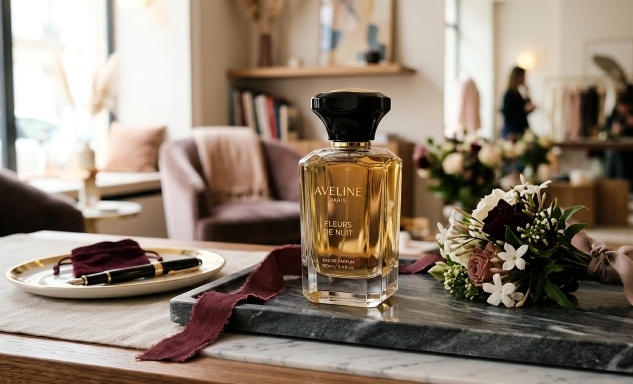
Perfume bottles are more than packaging—they define a brand’ s first impression and perceived value. From luxury glass craftsmanship to cost-efficient mass production, choosing the right manufacturer directly impacts quality, design, and scalability. In this guide, we’ ve selected the top 10 perfume bottle manufacturers in 2026, based on their capabilities, customization options, and industry reputation—helping you find the right partner for your brand.
Leading Top 10 Perfume Bottle Manufacturers
This section is designed to help you quickly evaluate global perfume bottle manufacturers based on real sourcing needs—so you can identify the right partner without unnecessary research.
1. Pochet Group
(Company Image)

(Factory Image)
- Headquarters: France
- Website: groupe-pochet.fr
- Founded: 1623
- Specialty: High-end luxury perfume glass bottles
- Key strengths:
Premium glass clarity, weight, and finishing
Strong heritage in luxury fragrance packaging
Advanced decorative techniques (frosting, engraving, coating)
- Typical MOQ: High
- Best for: Global luxury fragrance brands requiring premium shelf presence
2. Verescence
(Company Image)

(Factory Image)
- Headquarters: France / USA
- Website: verescence.com
- Founded: 1896
- Specialty: Sustainable glass packaging for beauty & fragrance
- Key strengths:
Eco-designed glass production systems
Strong global luxury brand partnerships
Stable high-volume manufacturing
- Typical MOQ: Medium to high
- Best for: Brands combining luxury positioning with sustainability goals
3. Feemio Perfume
- Headquarters: China
- Website: www.feemioperfume.com
- Founded: 1988
- Specialty: Custom perfume bottle manufacturing & packaging solutions
- Key strengths:
Full customization (mold development + surface finishing)
Flexible MOQ for new and growing brands
Strong cost-performance balance
Export experience for global fragrance markets
- Typical MOQ: Low to medium
- Best for: Startups and mid-sized brands needing scalable customization
4. Gerresheimer
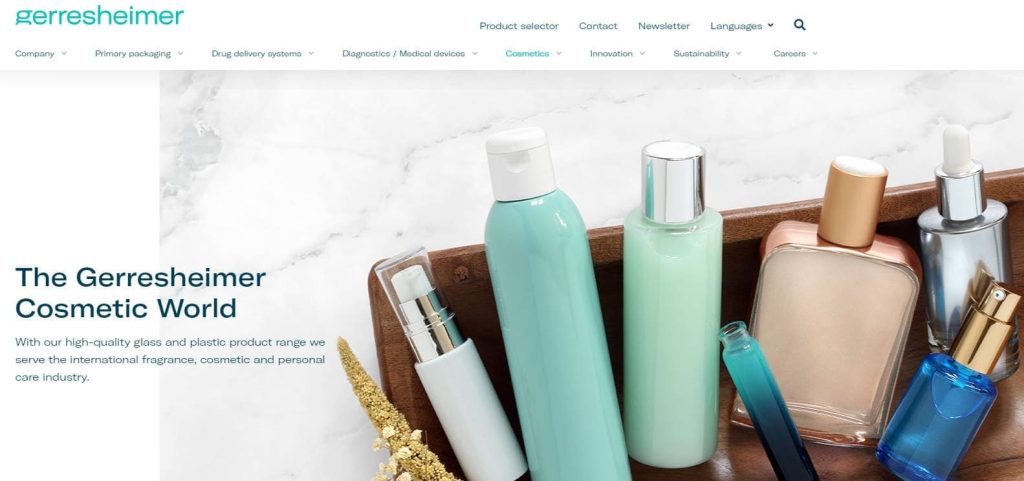
(Company Image)

(Factory Image)
- Headquarters: Germany
- Website: gerresheimer.com
- Founded: 1864
- Specialty: Precision glass packaging for cosmetics and pharma
- Key strengths:
High engineering accuracy and consistency
Strong industrial quality control systems
Reliable mass production capability
- Typical MOQ: High
- Best for: Brands requiring stable, large-scale industrial production
5. AptarGroup
(Company Image)

(Factory Image)
- Headquarters: United States
- Website: aptar.com
- Founded: 1992
- Specialty: Fragrance dispensing systems (spray pumps, actuators)
- Key strengths:
Industry-leading spray technology
Precise dosage and mist control
High compatibility across fragrance packaging systems
- Typical MOQ: Medium
- Best for: Brands focusing on high-performance fragrance delivery systems
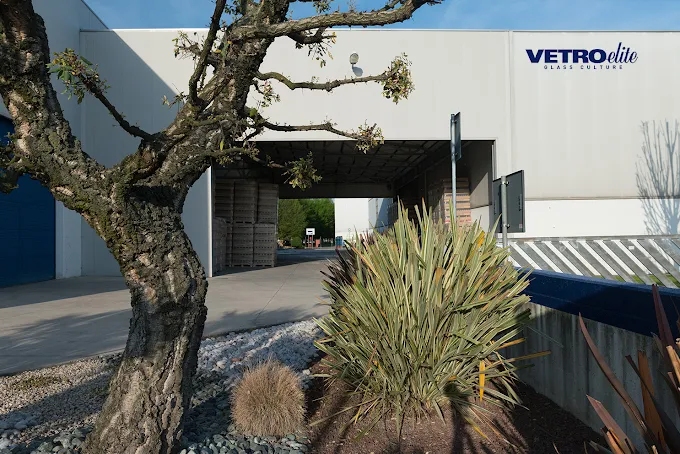
6. Vetroelite
(Company Image)
(Factory Image)
- Headquarters: Italy
- Website: vetroelite.com
- Founded: 1994
- Specialty: Designer glass bottles for niche fragrance brands
- Key strengths:
Strong aesthetic and artistic bottle design capability
Premium visual identity for boutique brands
High customization in shape and finish
- Typical MOQ: Medium
- Best for: Niche fragrance brands with strong visual storytelling needs
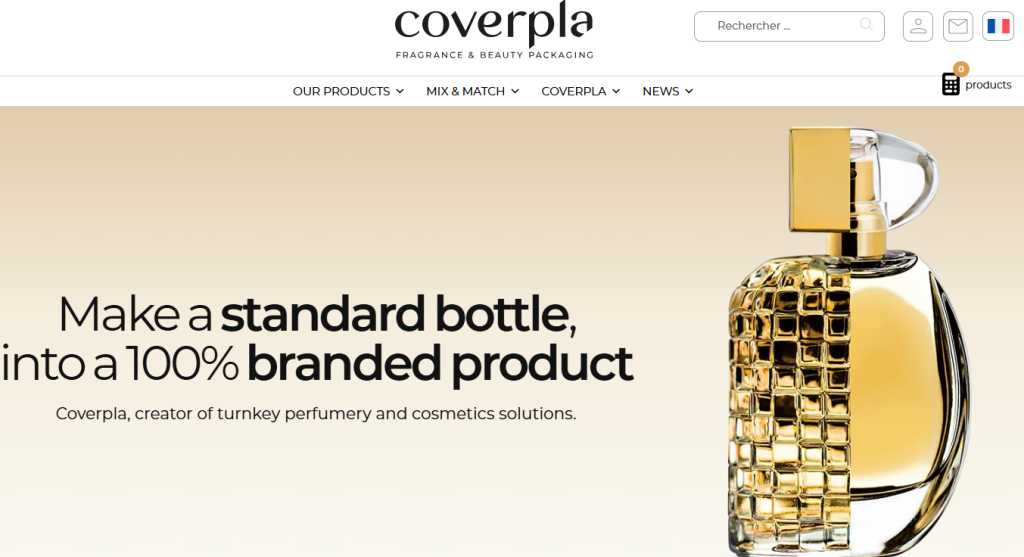
7. Coverpla
(Company Image)

(Factory Image)
- Headquarters: France
- Website: coverpla.com
- Founded: 1946
- Specialty: Stock + customized perfume packaging solutions
- Key strengths:
Large catalog of ready-made bottle designs
Fast sampling and development cycles
Flexible customization options for small brands
- Typical MOQ: Low to medium
- Best for: Startups and small brands launching quickly
8. Zignago Vetro
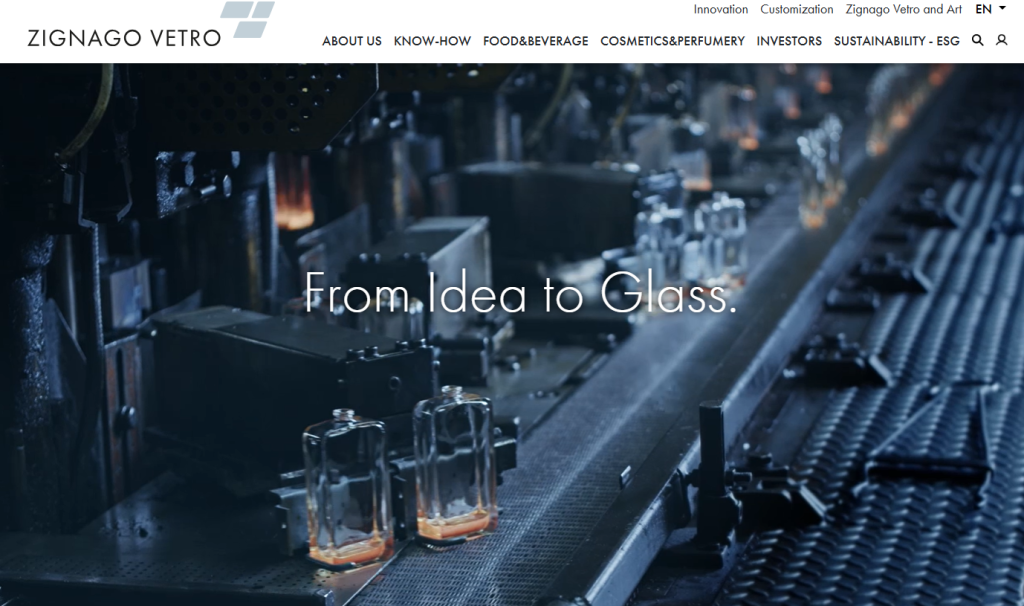
(Company Image)
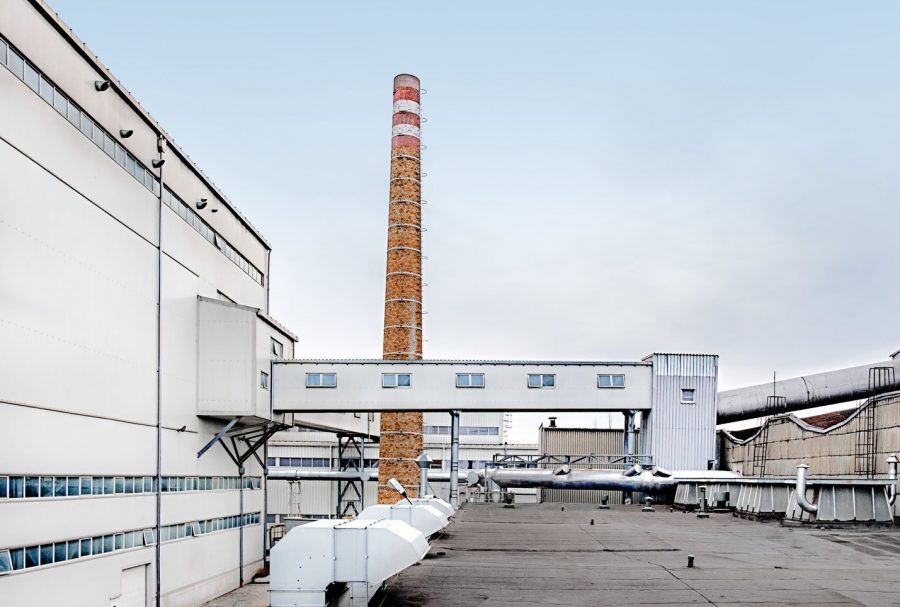
(Factory Image)
- Headquarters: Italy
- Website: zignagovetro.com
- Founded: 1950s
- Specialty: Industrial-scale glass manufacturing
- Key strengths:
Strong high-volume production capacity
Stable quality for repeat orders
Competitive pricing within European supply chain
- Typical MOQ: High
- Best for: Large brands requiring consistent mass production
9. Yoshino Kogyosho
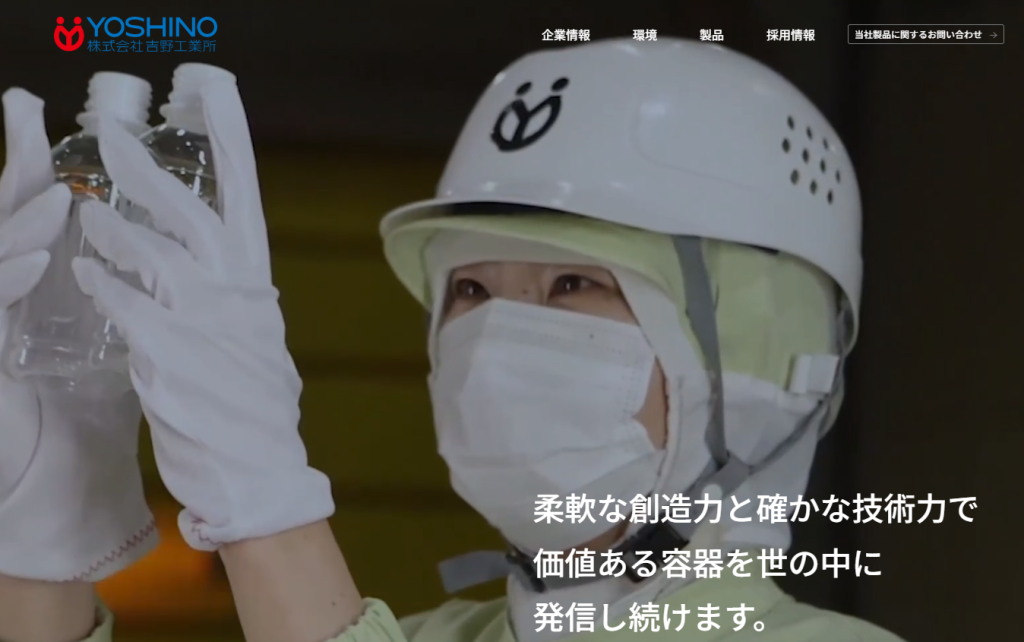
(Company Image)

(Factory Image)
- Headquarters: Japan
- Website: yoshinokogyosho.co.jp
- Founded: 1932
- Specialty: High-precision glass bottles for cosmetics & fragrance
- Key strengths:
Extremely precise mold engineering
Very stable batch-to-batch consistency
Strict Japanese quality control standards
- Typical MOQ: Medium to high
- Best for: Premium fragrance brands prioritizing quality consistency over cost
10. SGD Pharma
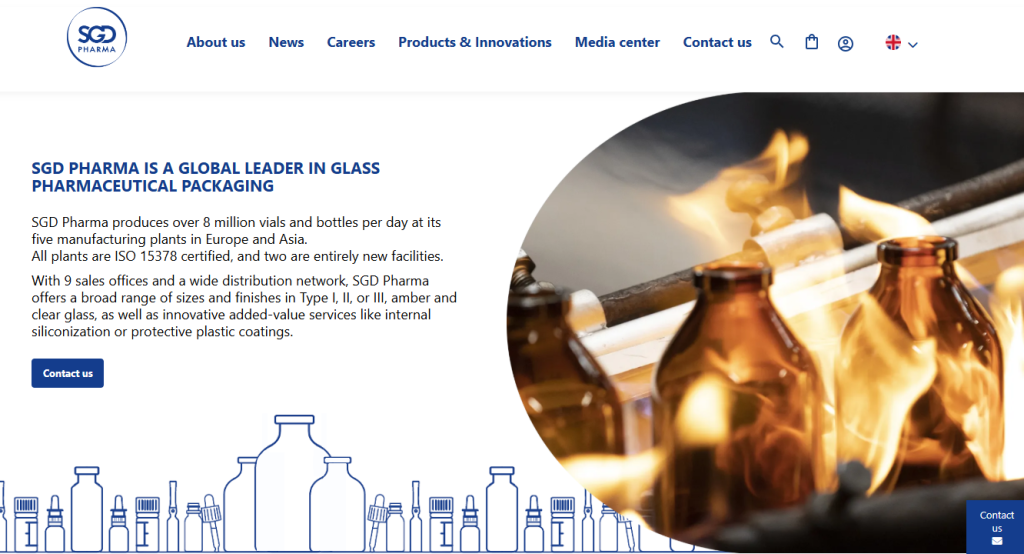
(Company Image)

(Factory Image)
- Headquarters: France
- Website: sgd-pharma.com
- Founded: 1957
- Specialty: Industrial glass packaging solutions
- Key strengths:
High-volume manufacturing capacity
Consistent output quality across batches
Strong global supply chain system
- Typical MOQ: Medium to high
- Best for: Established fragrance brands with ongoing production needs
How to Choose the Right Perfume Bottle Manufacturer
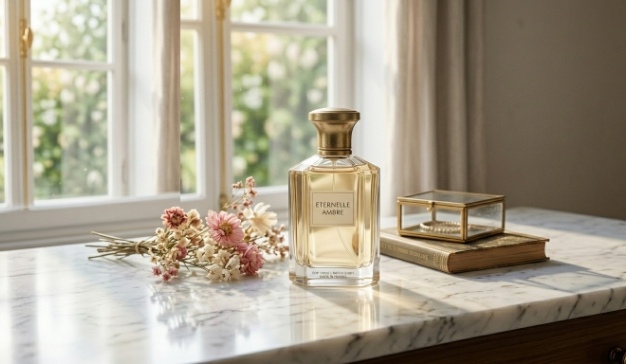
Choosing the right perfume bottle manufacturer comes down to a few key factors: positioning, capability, and scalability. Rather than focusing on price alone, brands should evaluate suppliers based on how well they align with their product and growth stage.
1. Match the Manufacturer to Your Brand Positioning
Not all suppliers serve the same market. High-end fragrance brands typically work with established European manufacturers such as Pochet Group, known for craftsmanship and premium finishes. In contrast, emerging brands often benefit from more flexible suppliers that offer lower MOQs and faster development cycles. Choosing a manufacturer that fits your positioning helps avoid overpaying—or under-delivering on quality.
2. Evaluate Customization and Production Capabilities
If your brand relies on distinctive packaging, customization is critical. Look for manufacturers that support in-house mold development, advanced decoration techniques, and full component integration. Design-focused companies like FeemioPerfume, for example, are known for combining aesthetics with technical execution.
3. Consider MOQ, Cost, and Scalability
Minimum order quantities and pricing structures vary significantly by region. European suppliers often require higher volumes, while Asian manufacturers offer more flexibility for smaller runs. The key is to balance upfront investment with long-term scalability—ensuring your supplier can grow with your brand.
4. Ensure System Compatibility and Consistent Quality
A perfume bottle is not just glass—it includes pumps, caps, and precise fit requirements. Make sure the manufacturer can deliver consistent quality and compatibility with spray systems, often supplied by companies like FeemioPerfume. Small inconsistencies here can lead to functional issues and affect the user experience.
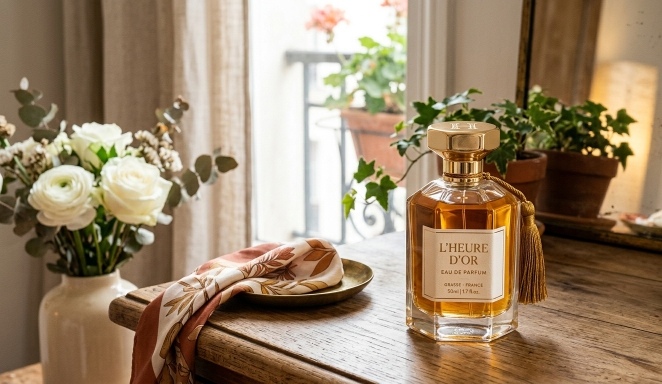
How to Decide Which Manufacturer Is Right for You
If you are still unsure which supplier type fits your brand, use the following simple decision logic:
- If your brand is positioned in the luxury segment → prioritize European heritage manufacturers with strong craftsmanship and brand heritage.
- If your brand focuses on design identity and niche positioning → choose manufacturers with strong creative and aesthetic capabilities.
- If your priority is production stability and large-scale supply → industrial European manufacturers are more suitable.
- If you value precision and consistency above all else → Japanese manufacturers are typically the most reliable choice.
- If you are a startup or scaling brand → flexible OEM manufacturers in Asia offer the best balance of cost and customization.
- If spray performance is critical to your product experience → consider specialized dispensing system providers.
This step helps avoid mismatched sourcing decisions, which are one of the most common causes of packaging delays and redesign costs.
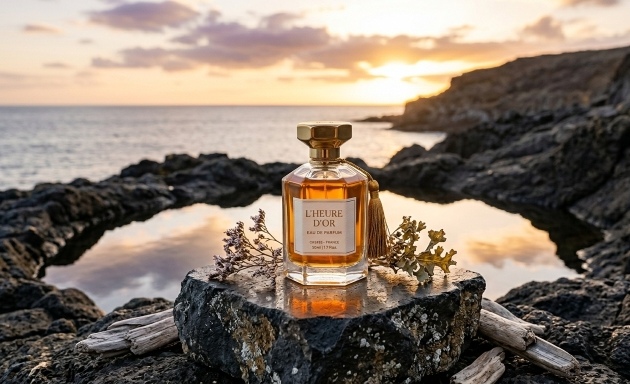
Key Trends in Perfume Bottle Manufacturing (2026)
Understanding industry trends can also help you choose a future-proof supplier.
1. Sustainability is becoming standard
More manufacturers are shifting toward recyclable glass, refillable systems, and reduced material waste in production.
2. Customization demand is increasing
Brands are moving away from standard stock bottles toward fully customized shapes and finishes to strengthen brand identity.
3. Shorter product life cycles
Fast-moving fragrance brands now require faster sampling, tooling, and production cycles to match market trends.
4. Integration of packaging systems
Bottles, pumps, and caps are increasingly designed as integrated systems rather than separate components.
Final Thoughts
Selecting a perfume bottle manufacturer is not just a procurement task—it is a brand-building decision. The right supplier will directly influence how your product is perceived in the market, from shelf impact to user experience.
Instead of focusing only on cost, brands should evaluate manufacturers based on positioning fit, technical capability, and long-term scalability. A well-matched supplier relationship can significantly reduce development risk and improve product consistency as your brand grows.
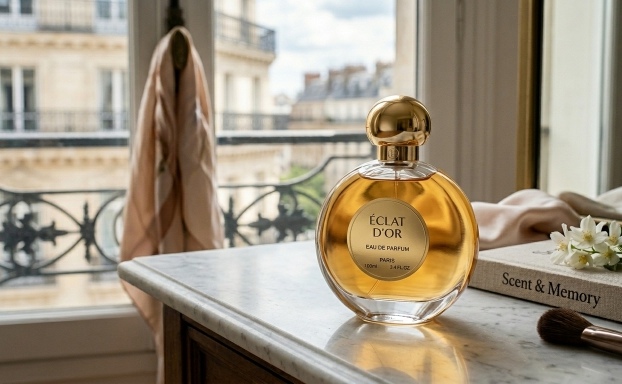
Frequently Asked Questions (FAQ)
1. What is the minimum order quantity (MOQ) for custom perfume bottles?
MOQ varies significantly depending on the manufacturer and level of customization. Fully custom molds typically require higher volumes, while semi-custom or stock-based solutions can start at much lower quantities. For new brands, choosing a supplier with flexible MOQ options can reduce initial investment risk.
2. How long does it take to develop a custom perfume bottle?
The development timeline usually includes mold creation, sampling, and mass production. On average, mold development takes 3–6 weeks, followed by 1–3 rounds of sampling. Mass production can take an additional 4–8 weeks depending on order size and complexity.
3. What factors affect the cost of perfume bottles?
Key cost drivers include bottle design complexity, glass weight, decoration techniques, order volume, and tooling (mold) fees. Custom shapes and premium finishes generally increase both upfront and per-unit costs.
4. Should I choose stock bottles or fully custom designs?
Stock bottles are faster and more cost-effective, making them ideal for testing new products or launching quickly. Fully custom bottles offer stronger brand differentiation but require higher investment and longer lead times. The choice depends on your brand strategy and budget.
5. What materials are commonly used for perfume bottles?
Glass is the most widely used material due to its clarity, chemical stability, and premium feel. Some brands may use alternative materials for caps or components, but the bottle itself is typically glass for both functional and branding reasons.
6. How important is the spray pump in perfume packaging?
The spray pump is a critical component that directly affects user experience. Poor spray performance can impact fragrance dispersion and overall perception of the product. Ensuring compatibility between the bottle and dispensing system is essential.
It depends on the manufacturer’s MOQ and flexibility. Many large-scale manufacturers focus on high-volume clients, while smaller or more flexible suppliers are better suited for startups or growing brands.
8. What certifications or quality standards should I look for?
Common indicators include ISO certifications, quality inspection processes, and export compliance standards. Consistent quality control is especially important for international markets where packaging defects can affect brand reputation.
9. Are eco-friendly perfume bottles available?
Yes. Many manufacturers now offer recyclable glass, lightweight designs, and refillable bottle systems. Sustainability is becoming an important factor in both consumer preference and brand positioning.
10. How do I choose the right supplier for my brand?
The best supplier depends on your positioning, budget, and growth stage. Luxury brands should prioritize craftsmanship and design, while emerging brands often benefit from flexible MOQ, faster turnaround, and scalable production capabilities.